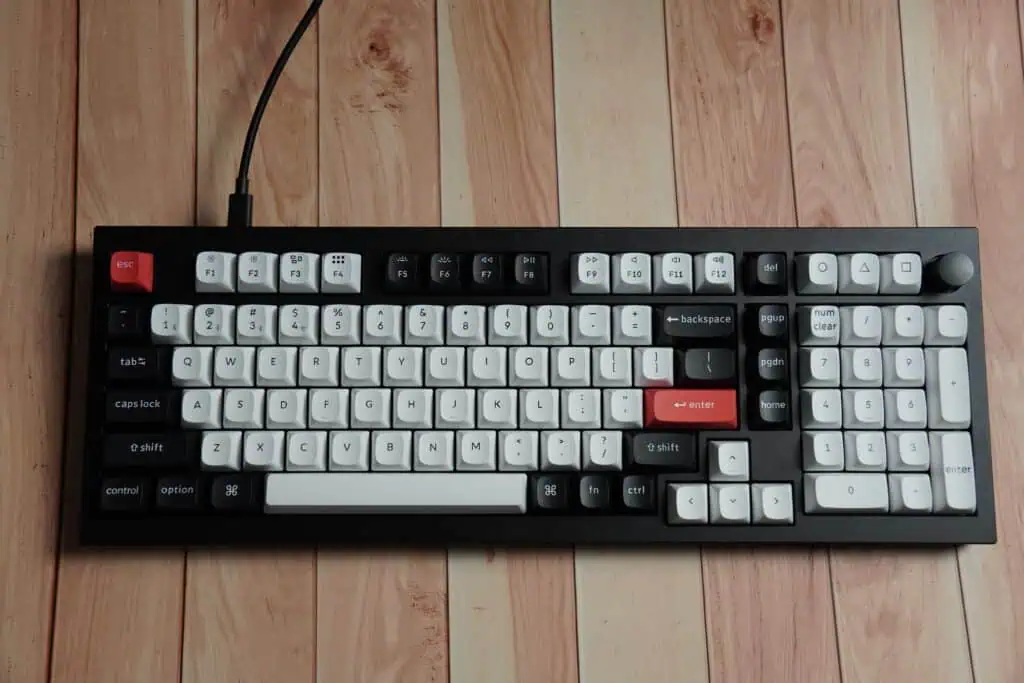
The next evolution in magnetic keyboard technology. Discover the future of gaming and typing precision with Tunneling Magnetoresistance (TMR) sensors.
Shop TMR Keyboards Full TMR vs Hall Effect GuideTMR (Tunneling Magnetoresistance) sensors represent the next generation of magnetic sensing technology, offering significant improvements over traditional Hall Effect sensors.
1000x more sensitive than Hall Effect sensors
Extends battery life for wireless models (0.001–0.01mA vs 5–10mA)
0.01mm accuracy for perfect control
Works reliably up to 200°C vs 150°C for Hall Effect
| Feature | Hall Effect | TMR |
|---|---|---|
| Sensing Mechanism | Perpendicular magnetic field | In-plane magnetic field |
| Sensitivity | Lower | 1000x Higher |
| Power Consumption | 5–10mA | 0.001–0.01mA |
| Accuracy | Lower | Higher |
| Size | Larger | Smaller |
| Thermal Stability | Medium (≤150°C) | High (≤200°C) |
| Consistency | Less consistent | More consistent |
The complete list of TMR-enabled keyboards on the market (as of October 2025)
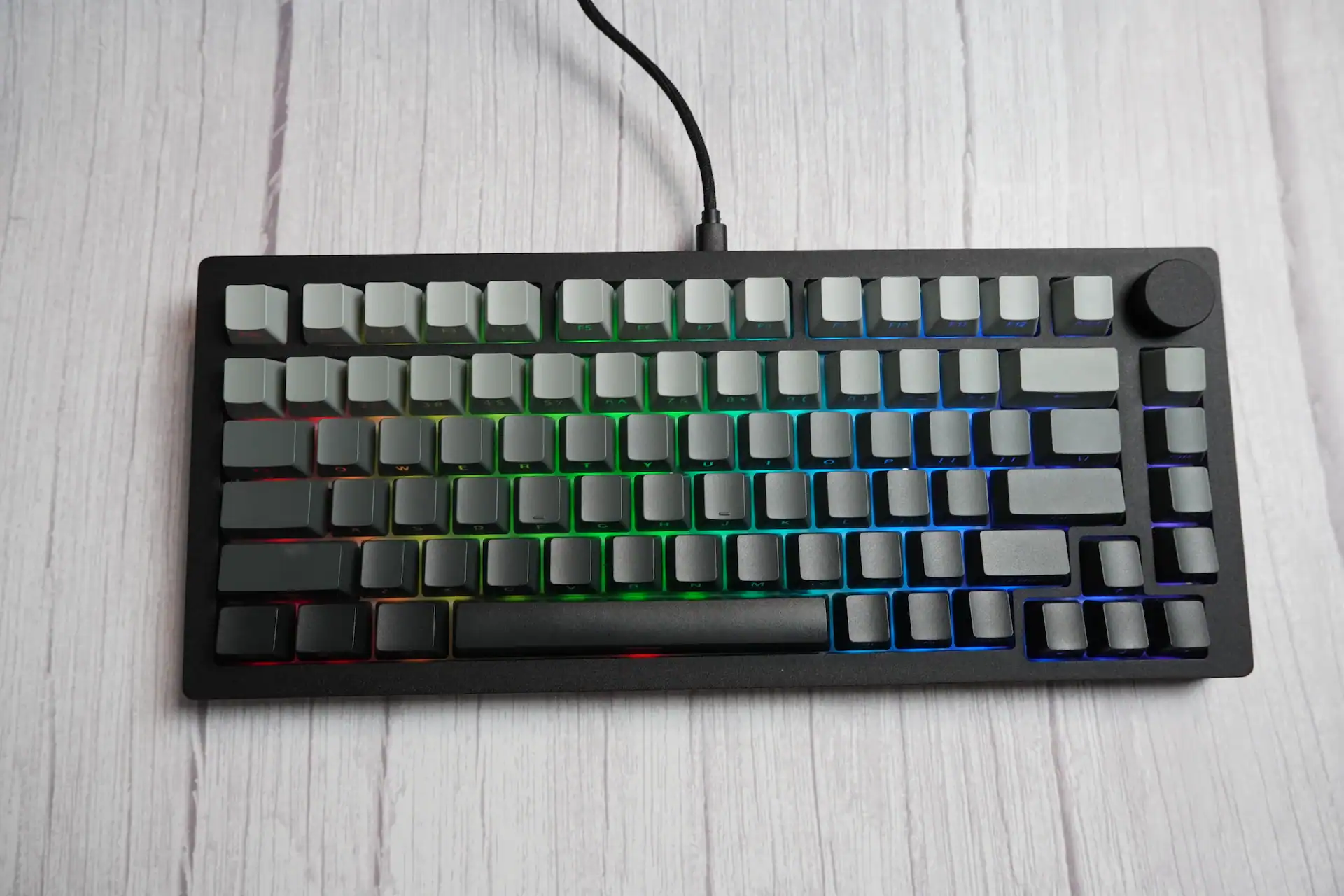
Watch our comprehensive review and comparison
TMR sensors offer significantly higher sensitivity (1000x), lower power consumption, and better thermal stability compared to traditional Hall Effect sensors. This translates to more precise actuation, longer battery life in wireless models, and consistent performance.
Yes! TMR keyboards like the MonsGeek FUN60 Ultra support regular 5-pin magnetic switches. The TMR technology is in the PCB sensors, not the switches themselves, so compatibility with existing magnetic switches is maintained.
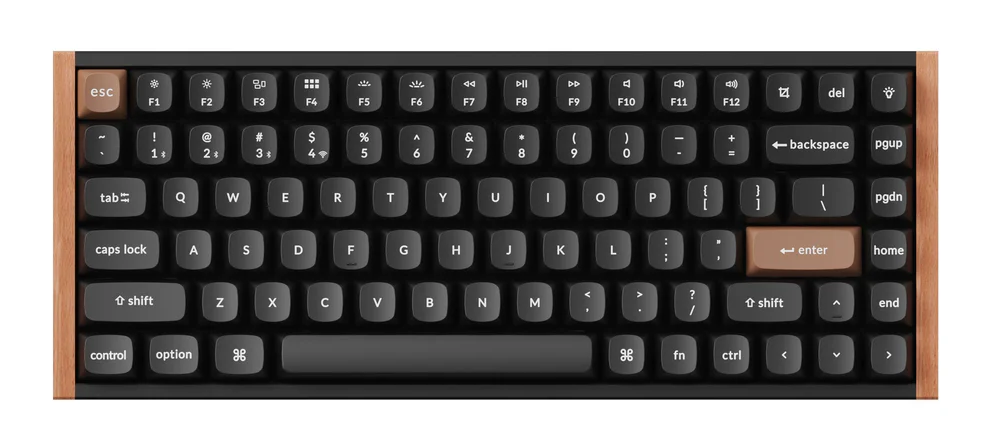
Keychron's K HE and Q HE series actually use TMR sensors internally, but were marketed as "HE" (Hall Effect) keyboards because that term was more popular when they were released. They benefit from all the advantages of TMR technology.
Join the next generation of magnetic keyboard technology today.
Shop TMR Keyboards